Tsinghua University Study Reveals Turbidity Currents More Common, Impacting Subsea Cables
An international research team led by Tsinghua University has discovered that turbidity currents, massive undersea flows known to reshape ocean floors and damage vital subsea cables, are more common than previously understood. These currents, which transport global internet traffic, were found to form in gentle environments like reservoirs and lakes, areas where their formation was previously considered impossible. This finding challenges decades of scientific understanding regarding the behavior and prevalence of these powerful flows.
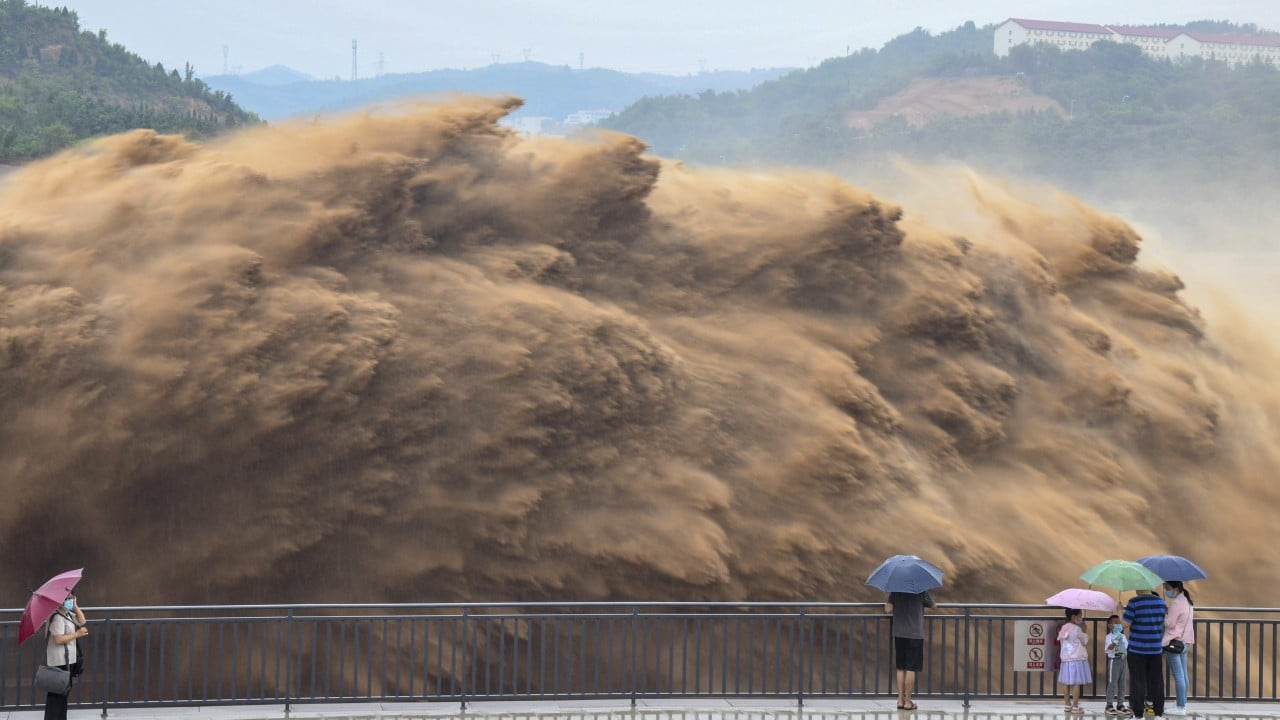
An international research team, spearheaded by Tsinghua University, has published new findings regarding turbidity currents, which are significant undersea flows.
For decades, scientists have recognized that these powerful currents can alter ocean floors and pose a threat to the crucial subsea cables responsible for transmitting global internet traffic. However, the precise mechanisms of their formation and behavior have largely remained unclear.
The new study indicates that turbidity currents are more prevalent than earlier beliefs suggested. Contrary to previous assumptions, the team found that these flows can form in seemingly gentle environments, including reservoirs and lakes. Such locations were previously thought incapable of generating these massive currents.
The findings provide new insights into how these phenomena develop and behave, potentially influencing strategies for protecting critical underwater infrastructure.
According to South China Morning Post, the study's conclusions challenge long-held scientific understandings.