
AI Monetization Strategies Diverge: Ads in AI Responses vs. Ad-Free Apple Intelligence
Advanced artificial intelligence tools are exploring diverse monetization strategies. While some AI services are incorporating hyper-personalized advertisements directly into their responses to generate revenue, Apple Intelligence continues its tradition of avoiding ads. Apple's approach has historically involved bundling quality software with hardware or offering subscription services, maintaining an ad-free experience even within its complimentary AI offerings. This distinction positions the absence of ads as a key appeal for Apple Intelligence within the evolving AI landscape.
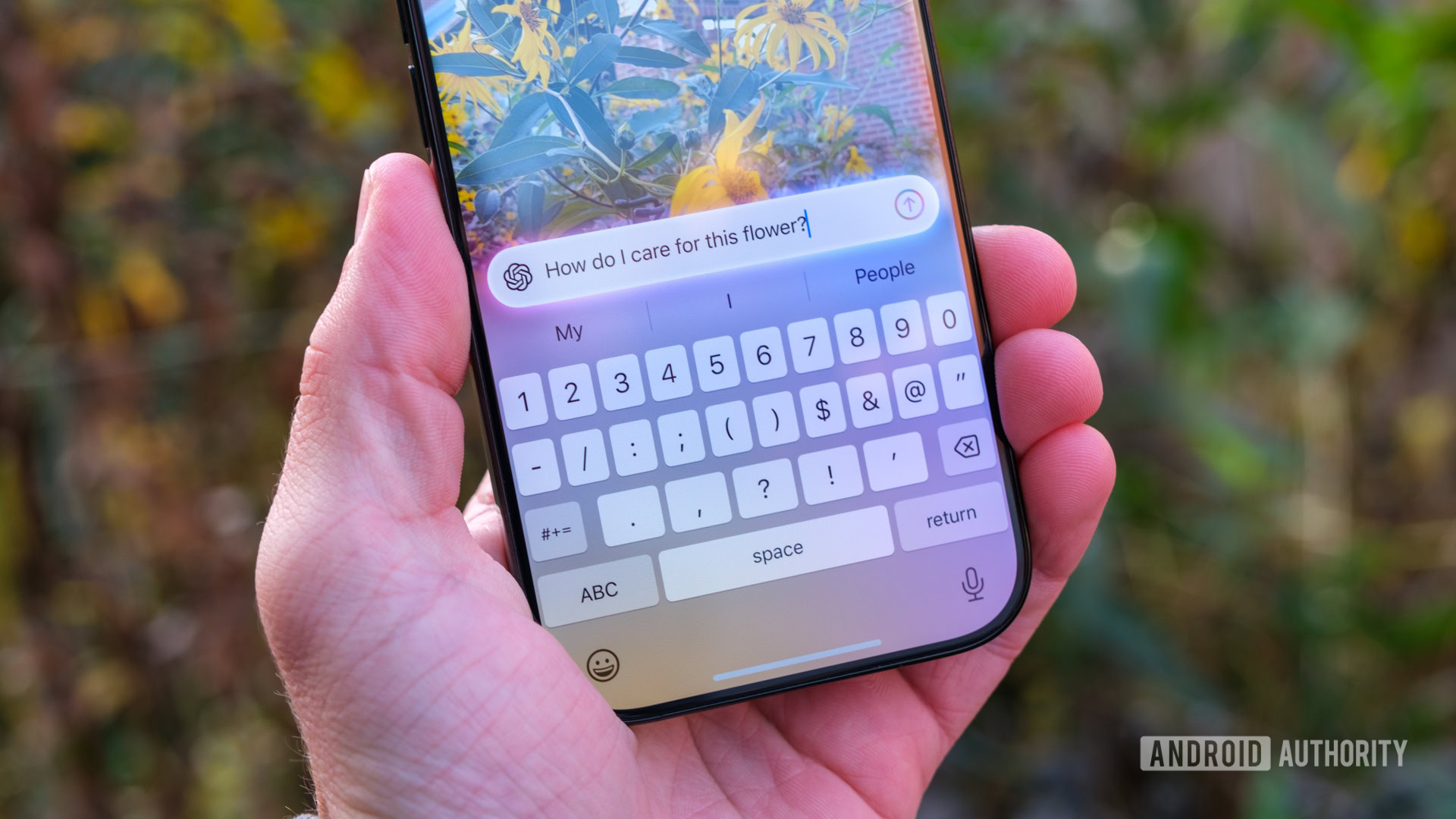
Advanced artificial intelligence tools, capable of generating diverse content from code to video, are employing varied strategies for monetization. While a traditional approach has involved subscription models, a newer trend sees companies integrating advertising into their AI responses to secure additional revenue.
Hyper-personalized advertisements are being incorporated into the outputs of some AI services. This strategy aims to generate extra income for companies operating these increasingly sophisticated and often resource-intensive artificial intelligence platforms.
In contrast, Apple has historically pursued a different philosophy for monetizing its offerings. The company typically bundles quality software with its hardware or charges for services through one-time fees or monthly subscriptions, rather than relying on advertisements.
Apple Intelligence, the company's AI initiative, aligns with this established approach. It refrains from displaying ads, even within its free AI tools. The absence of advertisements is noted as a significant draw for Apple Intelligence users.
According to Android Authority, this divergence in monetization strategies highlights the differing business models within the burgeoning AI industry.


