Android 17 Introduces ADB Wi-Fi 2.0 for Enhanced Wireless Debugging Stability
Google is addressing long-standing issues with wireless Android Debug Bridge (ADB) in Android 17 by introducing ADB Wi-Fi 2.0. This update replaces previous bloated third-party code with a custom, lightweight Rust library, aiming to significantly improve stability and reliability. The new system will allow ADB to automatically reconnect to trusted networks and features an updated pairing window in Android Studio.
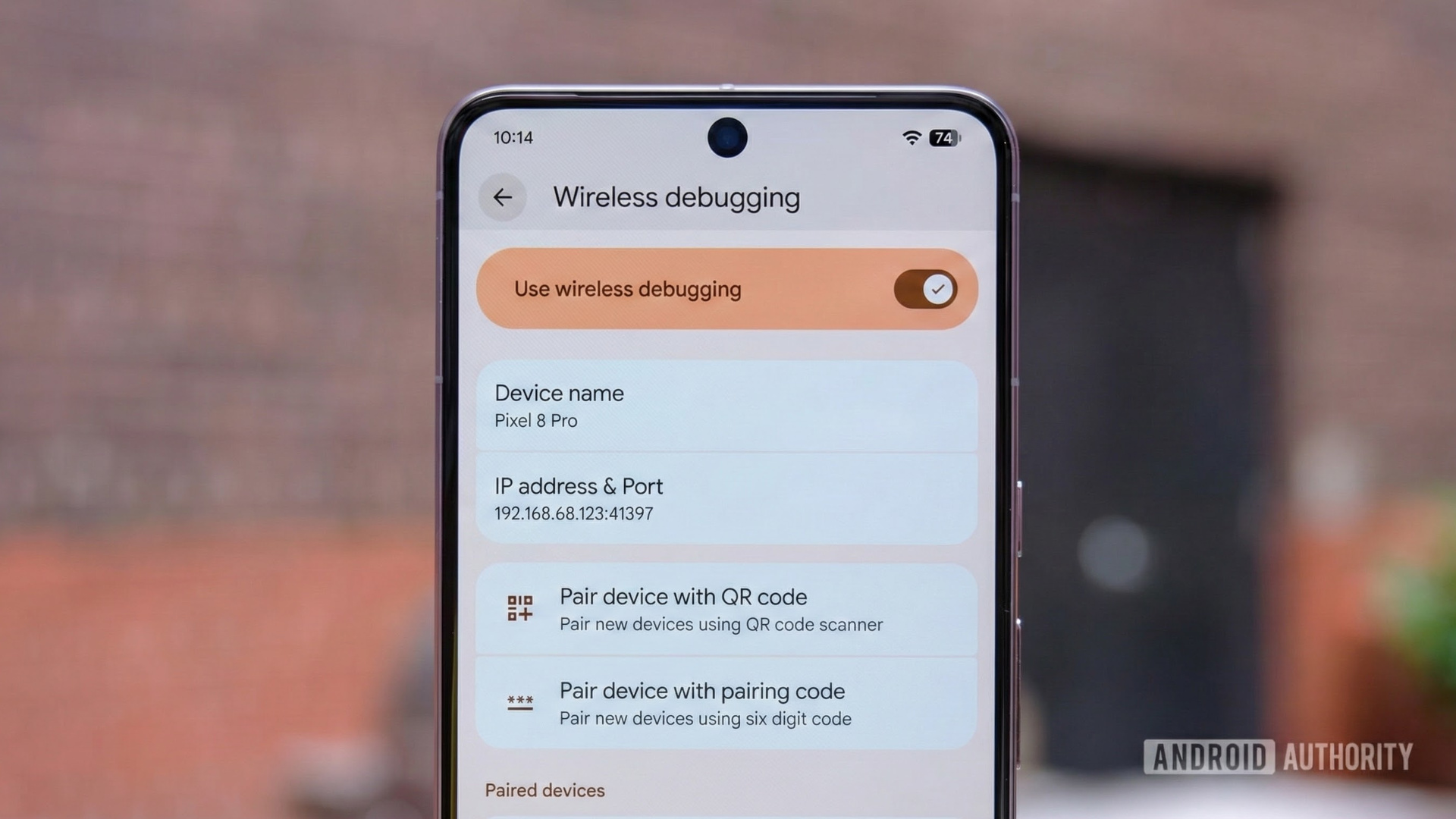
Android 17 introduces ADB Wi-Fi 2.0, an overhaul designed to improve the wireless debugging experience for Android devices. This update addresses previous issues with the Android Debug Bridge (ADB), a command-line tool used to control Android devices from a PC. While ADB supports both wired and wireless connections, the wireless option has often been less reliable due to its reliance on older, third-party libraries.
The original wireless ADB, launched with Android 11, frequently experienced crashes during network changes. With ADB Wi-Fi 2.0, Google has replaced this code with a custom 4,000-line Rust library. This change aims to bring significant improvements in stability and overall reliability to wireless debugging.
Key enhancements include ADB's ability to automatically remember and reconnect to trusted networks, eliminating the need for manual repairing. Additionally, Android Studio will feature a revamped pairing window that displays a live list of local devices, streamlining the debugging process. These changes were previously observed in Android Canary builds.
According to Android Authority, these updates aim to resolve long-standing annoyances for Android power users who utilize ADB for device control.