IEA Report: Iran War Exposes Southeast Asia's Energy Vulnerability, Accelerates Green Transition
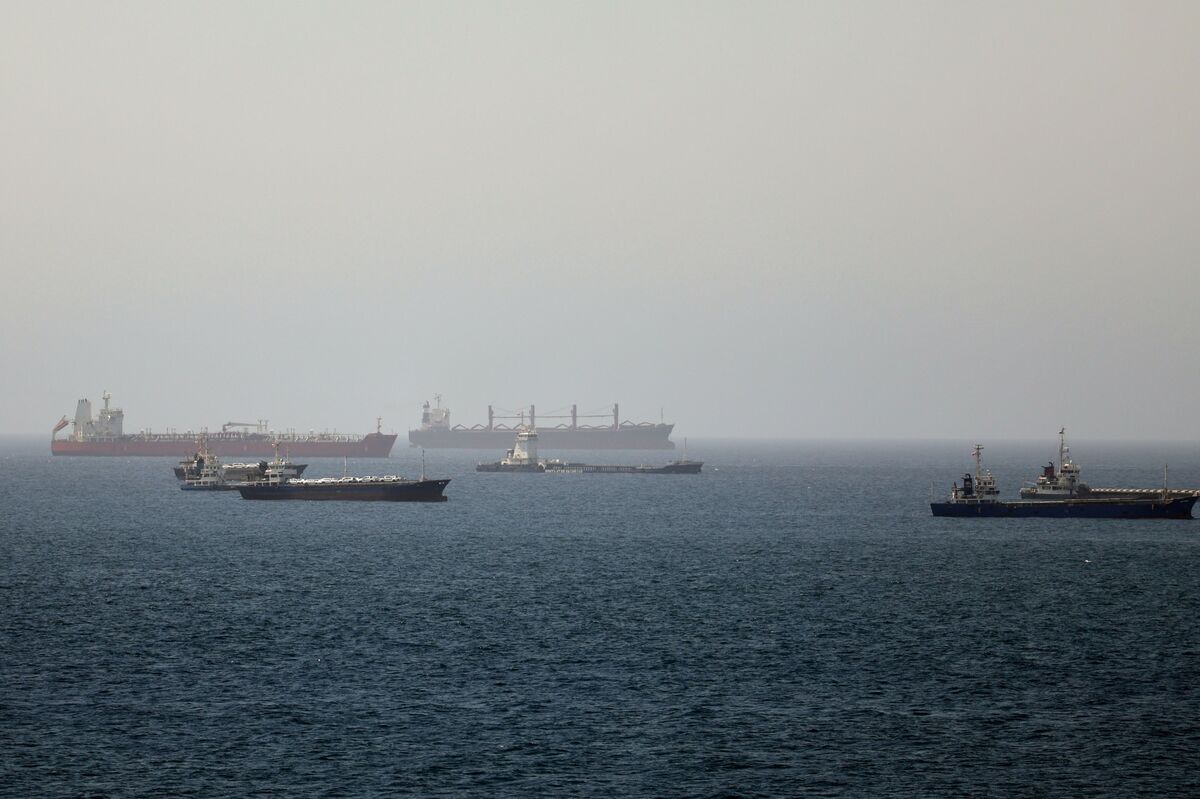
A new International Energy Agency (IEA) report reveals that the "Iran war" has exposed significant energy risks for Southeast Asia, primarily due to the region's overreliance on oil and gas transported through the Strait of Hormuz. The report, released Tuesday, warns that without swift diversification of energy sources, Southeast Asia's energy import bill could triple from $80 billion in 2024 to $245 billion by 2035. This "stark wake-up call" is accelerating shifts toward solar, electric vehicles (EVs), and nuclear power.
Southeast Asia faces substantial energy vulnerabilities, with a new International Energy Agency (IEA) report highlighting the region's overreliance on oil and gas from the Strait of Hormuz. The report, released Tuesday, indicates that the "Iran war" served as a "stark wake-up call" for the region's energy security, potentially costing billions if diversification efforts are not rapidly escalated.
According to the IEA, Southeast Asia's energy import bill is projected to triple, rising from $80 billion in 2024 to an estimated $245 billion by 2035. IEA Executive Director Fatih Birol stated that the "diversification of energy sources and supply routes is now a central priority."
This energy shock has spurred significant changes in the region's energy landscape. Electric vehicle sales in Southeast Asia more than doubled in 2025 to approximately half a million units, with one in five cars sold regionally now electric. In response, Laos banned the import of fuel-powered vehicles for the remainder of 2026 to reduce oil imports and promote EV adoption.
Renewable energy installations, particularly rooftop solar, are also experiencing a boom. The Philippines, for instance, saw record rates of rooftop solar adoption, becoming the second-largest destination for Chinese solar exports in the first quarter of 2026, with imports tripling year-over-year. Sue-Ern Tan, head of the IEA Regional Cooperation Centre in Singapore, noted that this energy shock is prompting a "deeper reassessment of policy priorities and investment strategies by governments."
Despite efforts to reduce reliance on fossil fuels, the conflict also reinforced the need for coal during energy crises. Furthermore, while nuclear power plans are advancing in countries like Indonesia, Vietnam, and the Philippines, their timelines remain uncertain due to lengthy construction and regulatory processes. Sam Reynolds of the Institute for Energy Economics and Financial Analysis (IEEFA) suggests that sustained high fossil fuel prices, even after a tentative deal to end the "Iran war," will likely drive a push towards more ambitious clean energy deployment.
To address these vulnerabilities, the IEA recommends reducing overall demand for imported fossil fuels, improving the efficiency of national grids, and boosting investment in various renewable energy forms such as solar, wind, hydro, and geothermal power. The agency also emphasized the importance of regional energy sharing initiatives like the Association of Southeast Asian Nations (ASEAN) Power Grid, hoping that this crisis will help overcome political barriers that have hindered its development.
According to Fortune, the IEA report concludes that the "Middle East conflict is both a stress test of Southeast Asia’s current energy system and a catalyst to accelerate structural change."