James Webb Telescope Captures First 'Bulge Fossil Fragment'
The James Webb Space Telescope (JWST) has reportedly captured its first 'bulge fossil fragment,' a discovery that promises to offer new insights into the process of galaxy formation. This observation marks a significant step in understanding how galaxies evolve and form over cosmic time, contributing to broader astrophysical research.
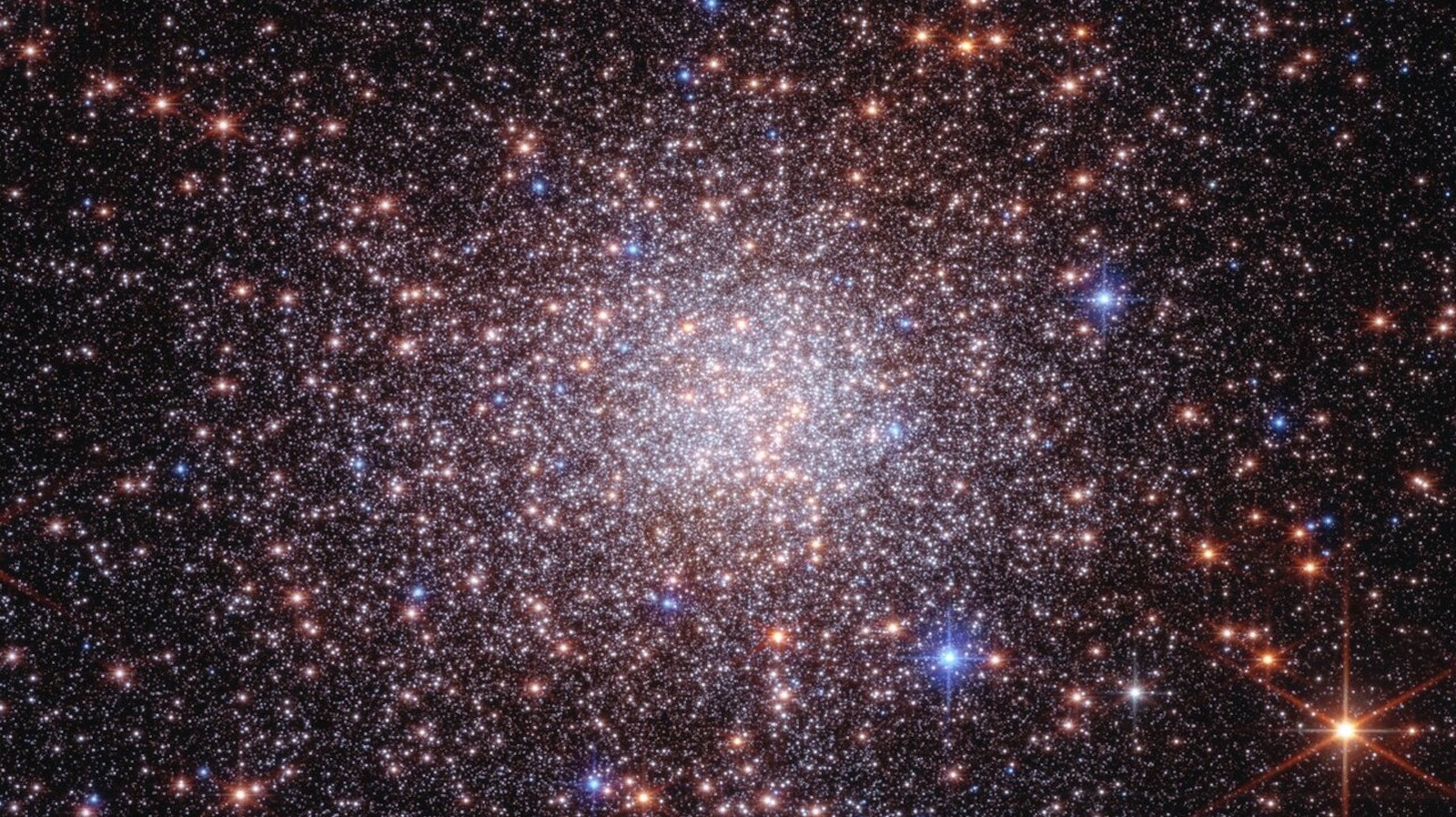
The James Webb Space Telescope (JWST) has reportedly captured its first 'bulge fossil fragment,' an observation expected to provide new insights into galaxy formation. This marks a notable achievement for the telescope, which continues to deliver groundbreaking data from deep space.
The identification of a 'bulge fossil fragment' is anticipated to help scientists better understand the developmental stages of galaxies. Such observations are crucial for unraveling the mysteries of how cosmic structures, including our own Milky Way, came to be.
According to Engadget, this discovery offers valuable information for astrophysical research.