
Mediators Propose 10-Day Ceasefire in Iran Conflict Amid U.S. Escalation Preparations
Regional mediators, including Qatar, Egypt, and Pakistan, have presented the U.S. and Iran with a proposal for a 10-day ceasefire. The initiative aims to halt fighting and reopen the Strait of Hormuz shipping lanes. President Trump is reportedly weighing this diplomatic path against the option of launching a massive joint military campaign with Israel to compel Tehran's capitulation.
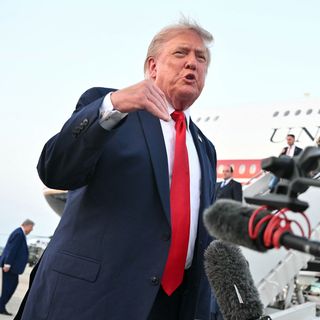
A coalition of regional mediators, including officials from Qatar, Egypt, and Pakistan, has put forward a proposal for a 10-day ceasefire between the United States and Iran. This initiative seeks to provide a "cooling-off period" to halt ongoing hostilities and facilitate the reopening of both shipping lanes through the Strait of Hormuz.
The Trump administration is reportedly exploring the proposal, with U.S. officials urging Israel to avoid actions that could close the diplomatic window. Simultaneously, Washington is preparing for a potential failure of these talks, having recently dispatched dozens of fighter jets and refueling aircraft to the region. Israeli sources indicate that the IDF is on high alert, preparing for a possible expansion of the conflict into a full-scale, coordinated campaign.
President Trump faces a critical decision point between pursuing this new ceasefire, aimed at reopening the Strait of Hormuz, or initiating a significant joint military campaign with Israel to force Iran's capitulation. Officials believe this decision will be made within days, with limited room for the current protracted conflict.
The new ceasefire proposal builds upon discussions held in Muscat, Oman, on July 11 involving Oman, Iran, and Qatar. Those talks concluded without an agreement, followed by Iranian attacks on commercial ships and a subsequent U.S. bombing campaign that has continued nightly since. The proposed 10-day truce would allow the U.S. and Iran to negotiate a longer-term arrangement for passage through the strait.
Options for a long-term solution include allowing Iran to collect "reasonable service fees" for maritime security and environmental protection, possibly modeled after the Strait of Malacca where countries charge for specific services. Another idea suggests directing fees into a joint fund administered with the involvement of the International Maritime Organization.
Despite the mediation efforts, neither the U.S. nor Iran has accepted the proposal, with both sides appearing intent on enhancing their leverage through further strikes. Ten consecutive nights of U.S. bombing have not broken Iran's control over the Strait of Hormuz. At least three U.S. service members have been killed in renewed fighting, prompting President Trump to order the Pentagon to make Iran pay "many times over" for American deaths. Oil prices briefly surpassed $90 a barrel, and gas prices are rising, contributing to domestic backlash.
Further complicating the situation, Iran-backed Houthis in Yemen have declared a maritime blockade on Saudi ports. Israeli Prime Minister Benjamin Netanyahu has warned of massive strikes in response to any Iranian attack, escalating the risk of a wider regional conflict. A senior U.S. official indicated that talks are ongoing, but President Trump is focused on continued retaliation for Iran's actions and the deaths of U.S. soldiers.
Iranian Foreign Ministry spokesperson Esmail Baghaei confirmed receipt of proposals from mediators but declined to discuss details, stating that Iran's armed forces would continue to "respond with strength and crush the source of U.S. aggression." President Trump has previously expressed frustration with Tehran, calling Iran's leaders "sick people" and dismissing further negotiations as a "waste of time."
According to Axios, officials involved in the mediation include Qatari Prime Minister Mohammed bin Abdulrahman Al Thani, Qatari envoy Ali Al-Thawadi, Pakistani army chief Field Marshal Asim Munir, Egyptian Foreign Minister Badr Abdelatty, and Omani Foreign Minister Badr al-Busaidi.


