
New Insights into Plant Photoprotection and Antenna Protein CP26
Plants maintain a delicate balance between harnessing sunlight for photosynthesis and safeguarding against potential light damage. This equilibrium is partially managed by antenna proteins, which are located within plant chloroplasts and bind to light-harvesting molecules. While primarily known for capturing solar energy, some of these antenna proteins, including CP26, can also dissipate surplus absorbed energy as heat through a process called non-photochemical quenching (NPQ), serving as a vital photoprotection mechanism.
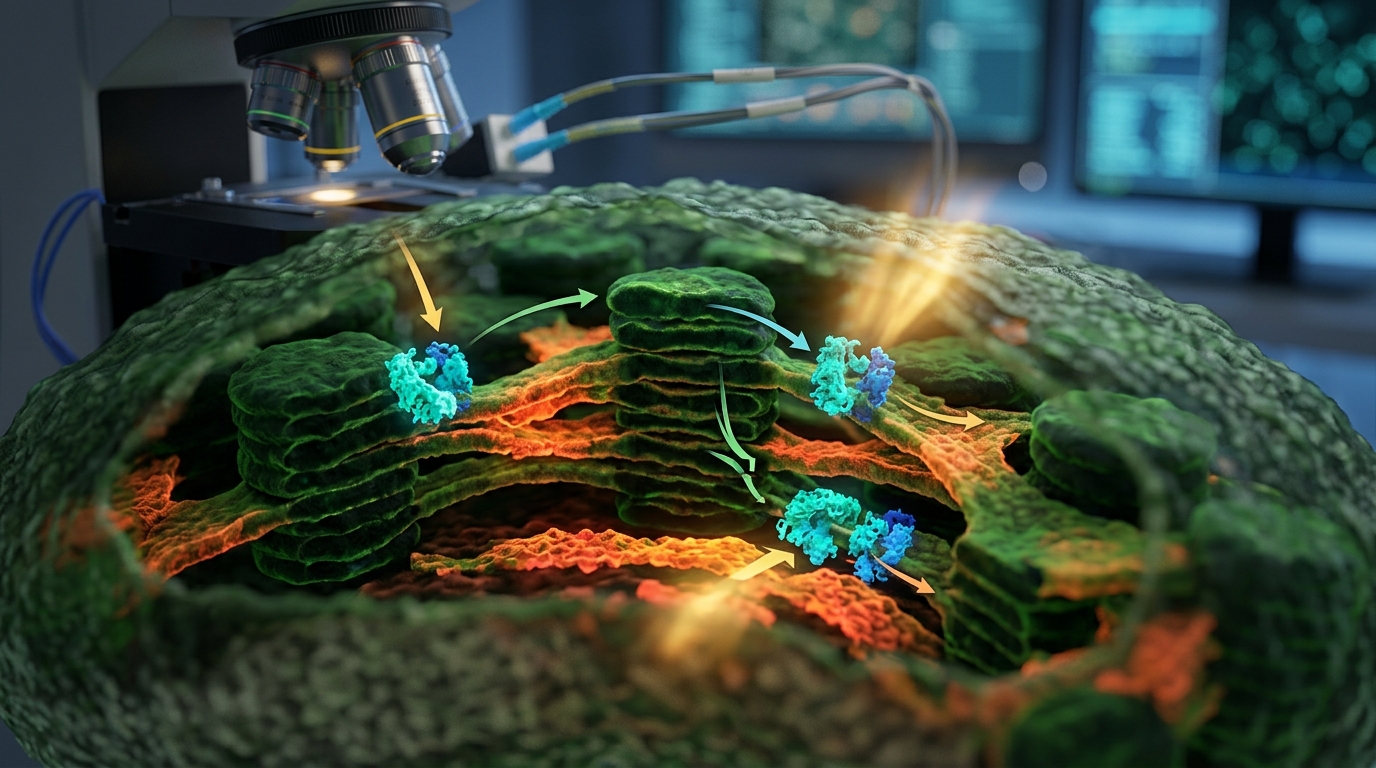
Plants face the critical task of balancing the absorption of sunlight for photosynthesis with the necessity of protecting themselves from excessive light exposure that can cause damage.
Key to this intricate balancing act are antenna proteins. These proteins are found within plant chloroplasts, where they are bound to light-harvesting molecules. They play a significant role in capturing energy from sunlight.
Beyond their energy-harvesting function, certain antenna proteins, such as CP26, contribute to a photoprotection mechanism known as non-photochemical quenching (NPQ). Through NPQ, these proteins can dissipate excess absorbed energy as heat, thereby preventing light-induced harm to the plant.
According to Phys.org, these findings offer new insights into how plants manage light exposure and protect their cellular machinery.


