
Seneca's Ancient Insight Links Imagination to Modern Anxiety and CBT
The ancient Stoic philosopher Seneca observed that human imagination often creates more suffering than actual events. This timeless insight resonates with contemporary issues of anxiety, as research suggests the brain struggles to distinguish between real and imagined threats. Cognitive Behavioral Therapy (CBT) leverages this understanding to help individuals challenge distorted thoughts, aiming to enhance their ability to tackle fears and manage anxiety effectively.
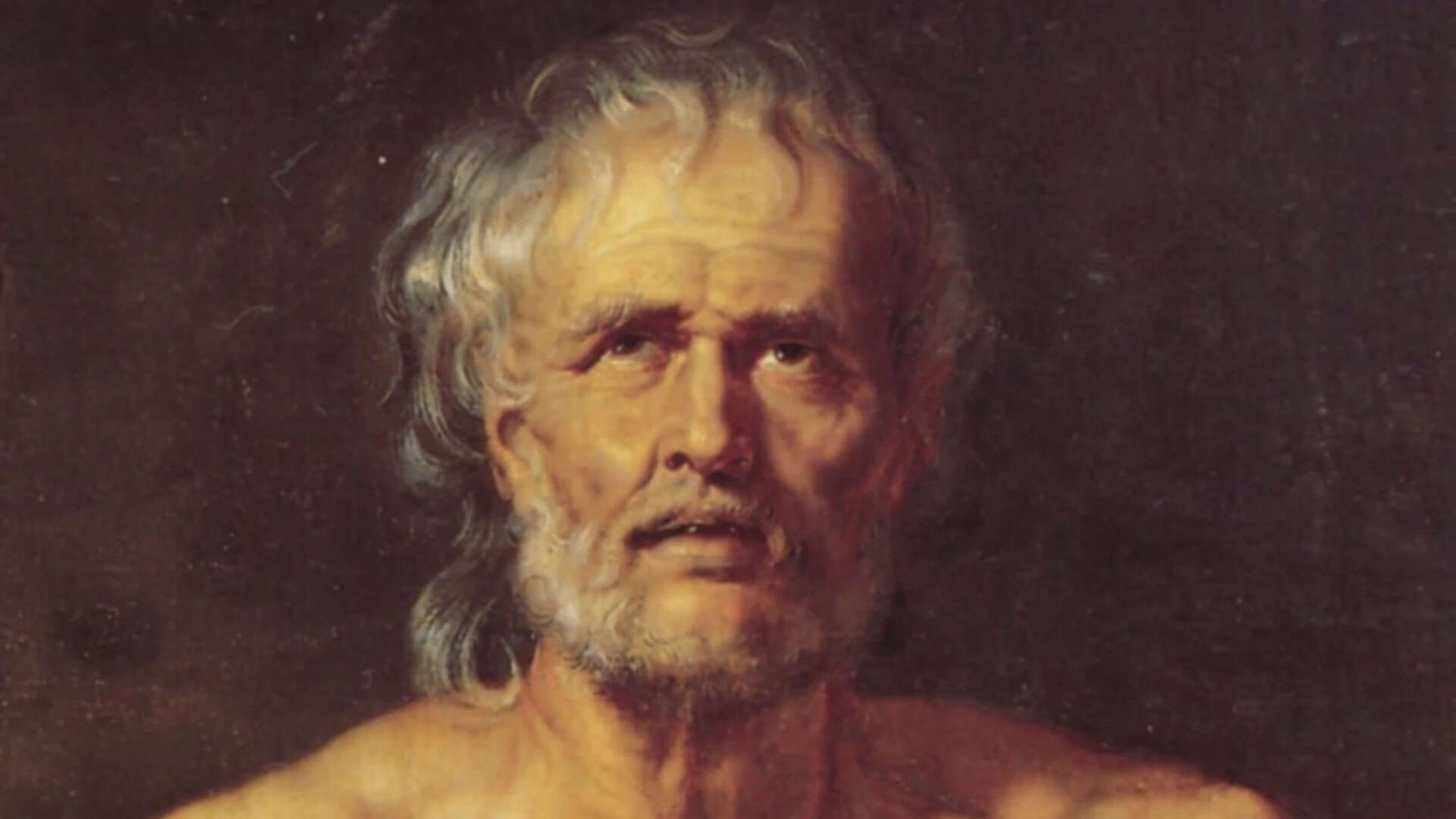
Ancient Stoic philosopher Seneca noted that human imagination frequently causes more distress than real-life occurrences. His observation remains pertinent in understanding current challenges related to anxiety.
Contemporary research indicates that the brain often struggles to differentiate between genuine threats and those conjured by imagination. This difficulty can contribute to heightened anxiety levels when individuals dwell on potential, but not yet realized, scenarios.
Building on this understanding, Cognitive Behavioral Therapy (CBT) provides a framework to assist individuals in confronting and re-evaluating distorted thought patterns. By challenging these perceptions, CBT aims to equip people with better strategies for managing fears and reducing anxiety surrounding potential issues.
According to the Times of India - World, Seneca's wisdom highlights a core aspect of human psychological experience that continues to be addressed through modern therapeutic approaches.


