Study Reveals Widespread Bacterial Gene Transfer in Cockroaches
A recent study indicates that horizontal gene transfer (HGT) is remarkably common in multicellular animals, challenging previous notions that primarily linked it to microbes. Researchers examined the genomes of multiple cockroach species, discovering that these insects have incorporated fragments of bacterial DNA over millions of years. HGT is defined as the process where a gene from one species becomes integrated into the genome of a distantly related species.
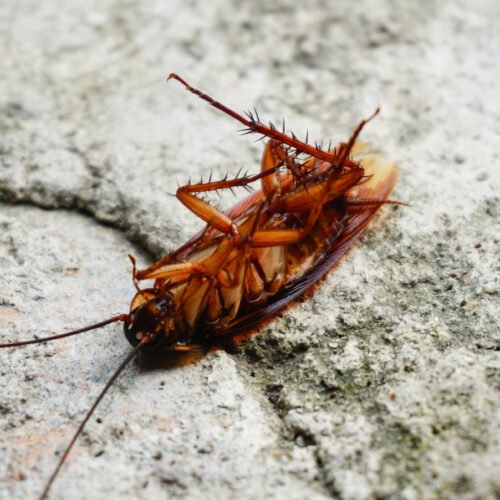
A new study reveals that horizontal gene transfer (HGT) is a widespread phenomenon occurring even among multicellular animals, extending beyond its previously understood prevalence in microbes. This challenges earlier perceptions that such genetic exchanges were primarily limited to simpler life forms.
HGT is a biological process where a gene from one species is incorporated into the genome of a distantly related species. Historically, HGT has been recognized as common among microbes, often attributed to their complex living environments rich in DNA from dead or damaged cells, and their cellular structure lacking a membrane between DNA and the rest of the cell.
The new research specifically investigated the genomes of various cockroach species. Findings indicate that these insect genomes contain significant fragments of bacterial DNA, which have been present within the cockroach lineage for millions of years.
According to Ars Technica, this study provides new insights into the frequency and significance of horizontal gene transfer in complex organisms, suggesting a more interconnected 'tree of life' than previously understood.