
Trump Administration Sought Phone Records of New York Times Journalists and Relatives
The Trump administration attempted to obtain phone records belonging to several New York Times journalists and some of their relatives, according to a motion unsealed Monday. This action aimed to identify confidential sources connected to the newspaper's reporting on a Qatari-gifted Air Force One jet. The Times argues these subpoenas, which covered a broader timeframe than the articles in question, represent "bad faith" by the government and violate Justice Department guidelines. The newspaper has challenged these efforts as part of an ongoing legal battle.
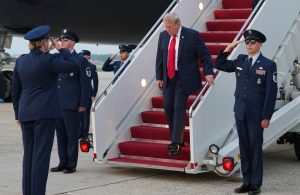
The Trump administration sought phone records of several New York Times journalists and some of their relatives, as revealed in a motion unsealed Monday. This effort was an attempt to uncover confidential sources behind the newspaper's coverage of a Qatari-gifted Air Force One jet.
Lawyers for The Times stated that these efforts were more extensive than previously known and covered a timeframe exceeding the news articles in question. Some subpoenas sought records dating back to January 1, 2026, long before the July 8 and 9 articles that reportedly triggered the Department's investigation. The newspaper's legal team suggested this extended timeframe indicates an intent to broadly search for information about the journalists' source relationships, rather than focusing solely on the specific articles.
These phone record subpoenas were issued in addition to grand jury subpoenas served on July 10 to three journalists, which sought testimony about their sources' identities. The Times has also challenged these grand jury subpoenas, with a judge scheduled to hear arguments on Thursday. Some phone records subpoenas were issued concurrently with the grand jury subpoenas, while others followed on July 11 and July 16.
The Times has called for the phone records subpoenas to be dismissed, citing "bad faith" by the government. The newspaper's lawyers argued that the Justice Department disregarded its own guidelines by not providing advance notice to the journalists and by issuing subpoenas without conducting a "serious investigation." They also questioned the accuracy of previous testimony from Jay Clayton, the U.S. attorney in Manhattan, who had stated that "protocols were followed" and "least intrusive possible" steps were taken during his confirmation hearing.
The Justice Department previously justified the grand jury subpoenas by asserting that "reporters are not the targets, those leaking classified information are." When asked about the phone records subpoenas, the department stated Monday that "Any subpoena issued by the Department of Justice is done so in full compliance with federal law and internal Department policy." The additional subpoenas included requests for records from one reporter's mother, described as a mental health professional, and two journalists' spouses, one of whom is a general counsel at a law firm.
Lawyers for the news organization characterized these actions as "deeply concerning," alleging "abuse of the grand jury process, continued bad faith attacks on the Journalists, violations of the Department’s own internal regulations and disregard for the law in this Circuit intended to protect critical First Amendment interests." This forms part of an ongoing legal challenge.
(Source: Fortune)


