Intel's Performance-Enhanced 18A-P Process Enters Risk Production
Intel's advanced 18A-P process has officially entered risk production, marking a significant step towards its full-scale manufacturing. This enhanced manufacturing node is a direct upgrade to the existing 18A process, promising notable performance improvements and thermal efficiency. The move into risk production indicates the groundwork is being laid for an accelerated ramp-up to full production in the coming months.
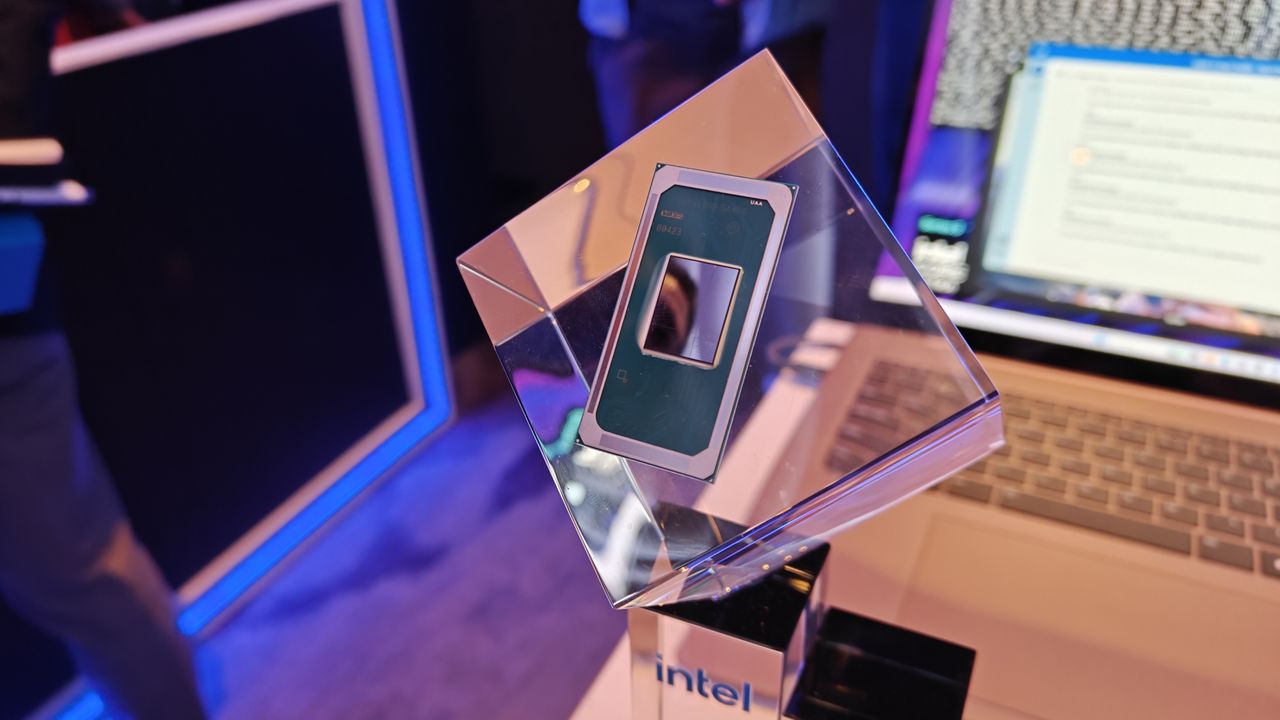
Intel's performance-enhanced 18A-P process has entered a critical phase, moving into risk production. This development signifies progress in preparing the node for full-scale manufacturing, which is anticipated to commence in the near future.
The 18A-P process is designed as an upgrade to Intel's current 18A node. It is expected to deliver a 9% performance improvement when operating at iso-power, enhancing efficiency for future processors. Additionally, the new process aims to cut thermal resistance by 40%, potentially leading to cooler and more stable operation of chips.
Described as a drop-in upgrade for the 18A technology, the 18A-P process entering risk production is a precursor to its eventual integration into mass production lines. This stage typically involves the initial fabrication of products to validate the manufacturing process and address any potential issues before high-volume output begins.
According to Tom's Hardware, this milestone sets the stage for the enhanced node to transition into full production within the upcoming months.