Fake Online Shopping Apps Offer Simulated Retail Therapy in New Trend
A growing trend of "dopamine sites" originating in South Korea allows users to simulate online shopping experiences without actual financial transactions. Apps like FoodNeverComes mimic food delivery services, providing the psychological 'buzz' of a purchase by tapping into the brain's dopamine release associated with the anticipation of a reward. Developed by Malhee, FoodNeverComes aims to satisfy the urge to order, helping individuals potentially curb online shopping habits or simply explore a novel app concept.
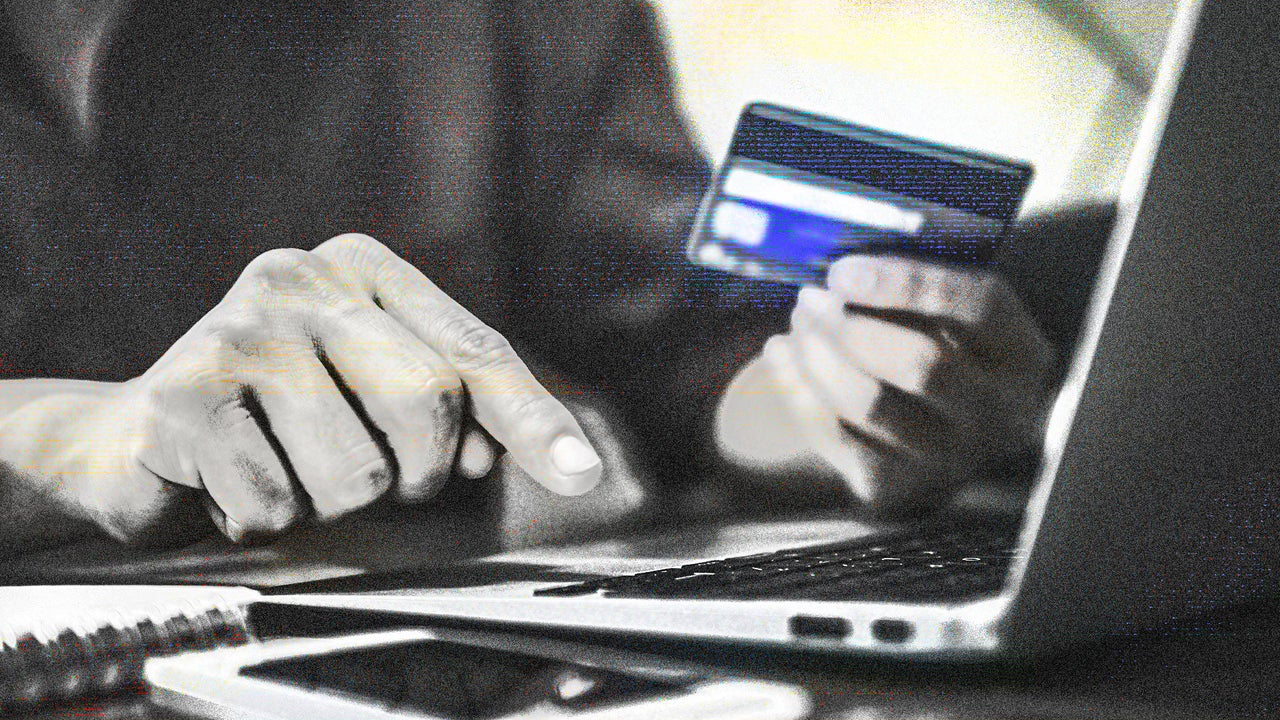
A new category of online platforms, dubbed "dopamine sites," is emerging from South Korea, allowing users to engage in simulated retail therapy. These platforms replicate the experience of online shopping, enabling users to browse, select items, and even enter payment details without any actual transactions or product delivery. The primary goal is to provide the psychological satisfaction of purchasing without incurring financial cost.
One prominent example is FoodNeverComes, an app designed to mimic a food delivery service. Users can scroll through virtual restaurants, choose items, make modifications, input their address and payment method, and even track a non-existent courier. The concept is rooted in the understanding that dopamine is released in the brain in anticipation of a reward, meaning the act of clicking a "buy" button can feel good regardless of a real product being attached.
South Korean developer Malhee created FoodNeverComes, reportedly conceiving the idea after frequently opening and closing delivery apps without ordering. Malhee stated the app was created to fulfill the urge to order and break habitual patterns, targeting users who want to reduce reliance on delivery apps, are on a diet, or are simply curious about the concept.
While these dopamine sites are reportedly gaining traction among South Korean Gen Zers, the broader internet has shown mixed reactions. Following viral posts about FoodNeverComes, some social media users expressed skepticism, viewing the concept as a reflection of societal issues. Comments included descriptions like "sad reflection of late-stage capitalism" and "window shopping for people who can't touch grass."
However, discussions among users on a subreddit dedicated to shopping addiction revealed a nuanced perspective. Some found potential merit in such apps, likening them to non-alcoholic beer for recovering alcoholics, suggesting they could "scratch the itch" and serve as a "helpful stepping stone." Conversely, other users found the concept potentially aggravating, stating it would be frustrating to know nothing was actually coming, or described it as "playing pretend for adults."
According to Fast Company, the debate highlights the varied interpretations of these simulated shopping experiences, balancing potential benefits for habit management against concerns about their overall utility.