Jeff Bezos Predicts AI Will Cause Labor Scarcity, Not Widespread Job Loss
Amazon founder and Prometheus co-founder Jeff Bezos believes artificial intelligence will lead to a scarcity of labor rather than significant job losses. He argues that AI-driven productivity gains will raise living standards and create increased demand for human work. Bezos's AI startup, Prometheus, backed by substantial funding including $12 billion in a recent Series B round, aims to accelerate engineering tasks. This perspective contrasts with views from other tech leaders and public concerns about AI's impact on employment.
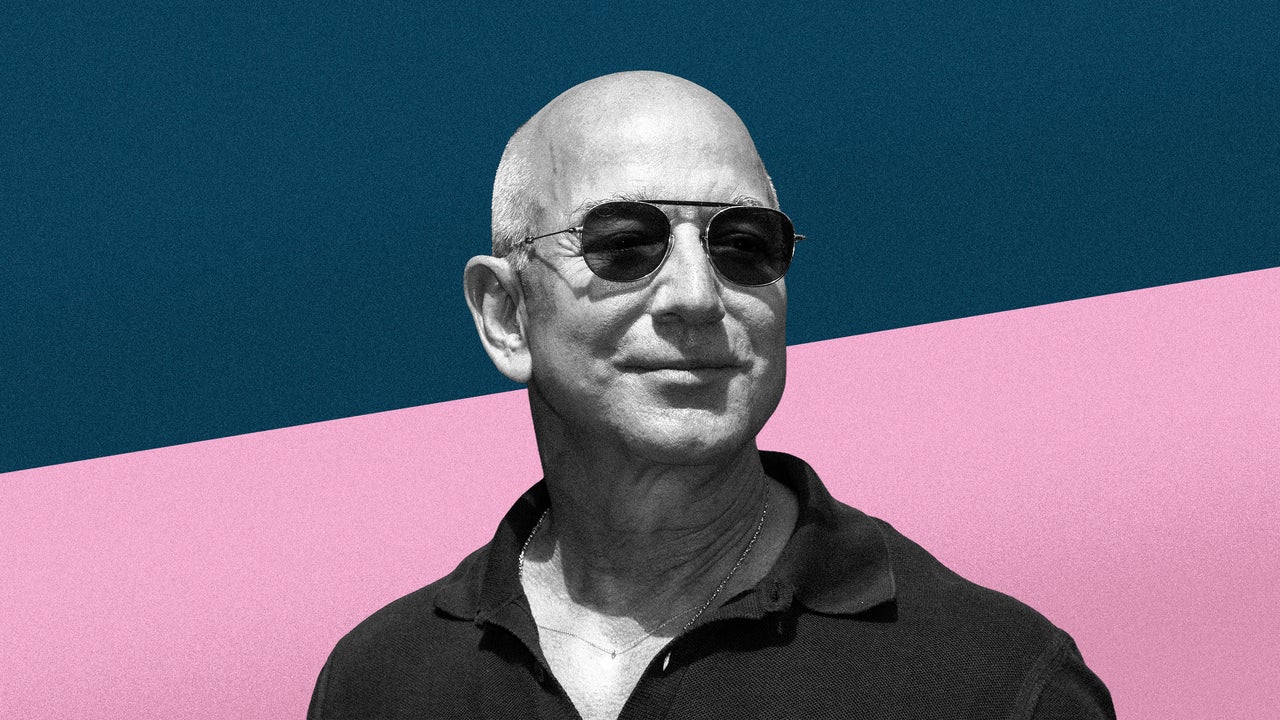
Amazon founder and AI startup Prometheus co-founder Jeff Bezos has expressed a distinct view on the future impact of artificial intelligence, asserting that it will cause "labor scarcity" rather than widespread job loss. In a recent CNBC interview, Bezos stated that productivity from AI innovation would significantly expand the economy, leading to a higher standard of living and an increased demand for human labor.
Bezos has consistently maintained this stance, previously stating in May that AI pessimists were "dead wrong" and that the technology would "elevate" young workers, enabling them to perform tasks at a "higher level."
Vik Bajaj, co-founder and co-CEO of Prometheus, echoed Bezos's sentiment, emphasizing that invention, not just companies, creates jobs. Prometheus, which launched in November with $6.2 billion in funding, recently secured an additional $12 billion in a Series B round, boosting its valuation to $41 billion. This round included backing from Bezos, JPMorgan Chase, Goldman Sachs, BlackRock, DST Global, and Arch Venture Partners. The startup is developing AI tools designed to expedite engineering work, calling its product an "artificial general engineer."
Bezos's theory faces scrutiny given job reductions at Amazon, where he serves as executive chairman and is the largest individual shareholder. Amazon has cut thousands of jobs, including 14,000 corporate workers in October and another 16,000 positions in January, amidst its adoption of AI and efforts to streamline middle management layers.
The tech industry's leaders hold differing opinions on AI's effect on employment. OpenAI's Sam Altman, who once warned of job disappearance, has since revised his timeline and prediction. In contrast, Anthropic's Dario Amodei previously suggested AI could eliminate 50% of entry-level white-collar jobs. Nvidia's Jensen Huang has dismissed AI as a "lazy" excuse for layoffs.
A Reuters/Ipsos survey of 4,531 respondents found that 53% were concerned about job loss due to artificial intelligence, either for themselves or a household member. Despite the conflicting views on job impact, there is a general consensus that AI is fundamentally altering the nature of work.
According to Fast Company, whether these changes are ultimately beneficial remains a subject of ongoing debate.