US Renters Staying Put in Some Cities While Others See Influx, Report Finds
A new report from Realtor.com indicates evolving trends in the post-pandemic U.S. rental market, with rent prices declining nationally for nearly three years. The median asking price dropped to $1,686 last month, down 1.5% annually in May across the 50 largest metro areas. The report highlights cities where residents are choosing to stay and others attracting significant out-of-market interest, driven by factors like job opportunities and affordability. San Francisco, however, presents an outlier with rising rents and increasing homeownership.
The U.S. rental market is experiencing new trends in the post-pandemic era, with a recent report from Realtor.com revealing shifts in where Americans are choosing to live. Rent prices nationwide have seen a downward trend for nearly three years, with the median asking price across the country's 50 largest metro areas decreasing by 1.5% in May compared to the previous year. Last month, the national median asking price was $1,686.
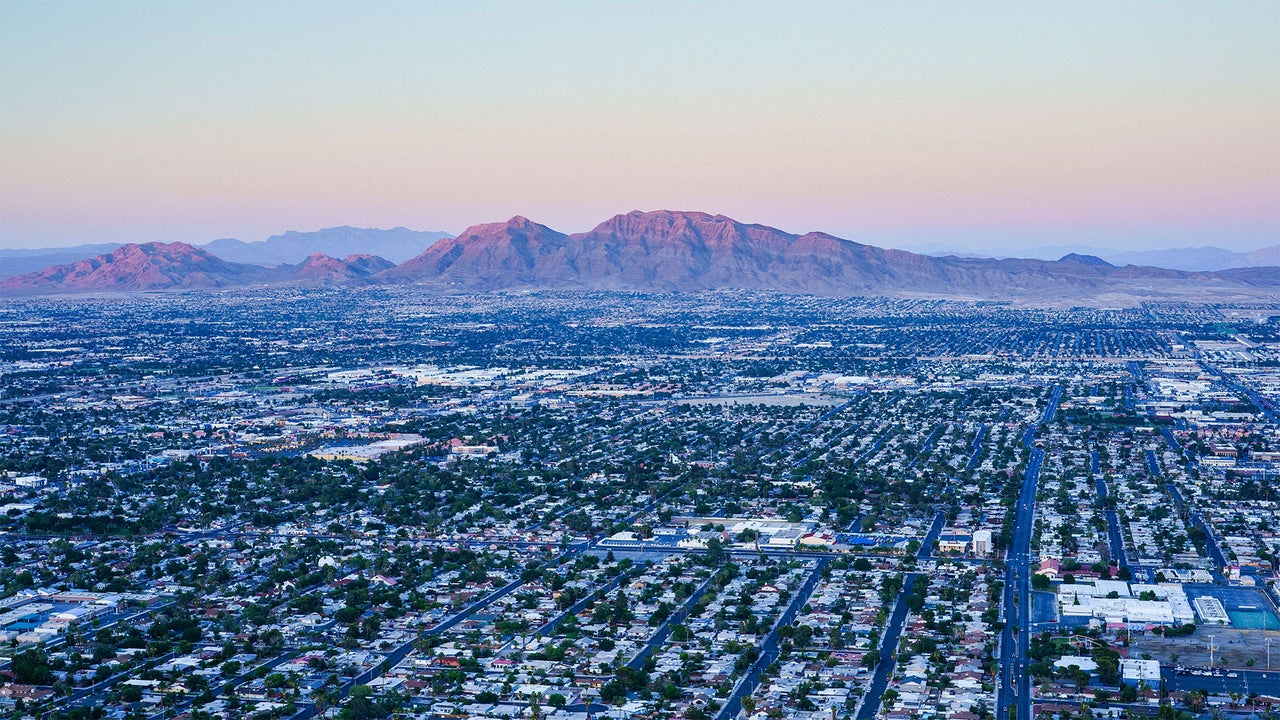
Realtor.com's analysis of online rental searches distinguishes between markets where demand is primarily local and those attracting out-of-towners. Cities showing a high percentage of local searches suggest residents are content with current conditions, including rent prices and job availability. Las Vegas led this category in the first quarter of the year, with 70% of online rental searches originating within the metro area. Austin, San Antonio, Houston, and San Diego also demonstrated similar trends, indicating renter-friendly environments with softening rents, higher vacancy rates, strong job markets, and warm weather. Houston, specifically, recorded an 11% increase in local renters searching for nearby rentals between 2020 and 2026.
Conversely, several East Coast cities are experiencing a surge in interest from outside their metro areas. Raleigh topped this list in the first few months of 2026, with almost 70% of rental views coming from outside the area, a 10% increase from 2020. Hartford, Providence, Richmond, and Baltimore followed, largely attracting renters priced out of major hubs like New York, Boston, and Washington, D.C. These destinations often boast strong hiring prospects in sectors such as healthcare, financial services, and technology. Detroit also saw out-of-town renter interest double from 2020 to 2026, though it did not make the top five.
San Francisco stands out as a unique market. Unlike the national trend, rent in the city increased by 1.2% from the previous year. Fewer locals are actively searching for rentals, attributed to rising homeownership, possibly linked to wealth generated by the AI boom. Remaining renters in San Francisco are exhibiting more settled behavior, indicating that the post-pandemic residential reshuffling may have largely concluded there.
The broader context of rental affordability remains a challenge, as rents have generally outpaced household income growth. By 2024, half of all U.S. renters were spending over 30% of their income on rent and utilities, classifying them as cost-burdened. Last year, the Department of Justice filed a lawsuit against Greystar and other corporate landlords, alleging a scheme of “algorithmic coordination” to artificially inflate rent prices. Greystar is reportedly the largest landlord in the U.S., managing approximately 950,000 rental units.
According to Fast Company, citing a Realtor.com report, these insights offer a glimpse into the evolving dynamics of the American housing market. (Source: Fast Company)