Working Parents Face Significant Challenges in Achieving Work-Life Balance, Pew Study Reveals
A recent study by the Pew Research Center indicates that work-life balance is largely unattainable for working parents in the U.S., with professional and personal responsibilities frequently overlapping. The survey of 2,242 parents found that a majority juggled parenting tasks while at work and handled job duties while with their children. Working mothers, in particular, experience a greater strain, often shouldering more caregiving responsibilities and facing more difficulties in balancing these demands.
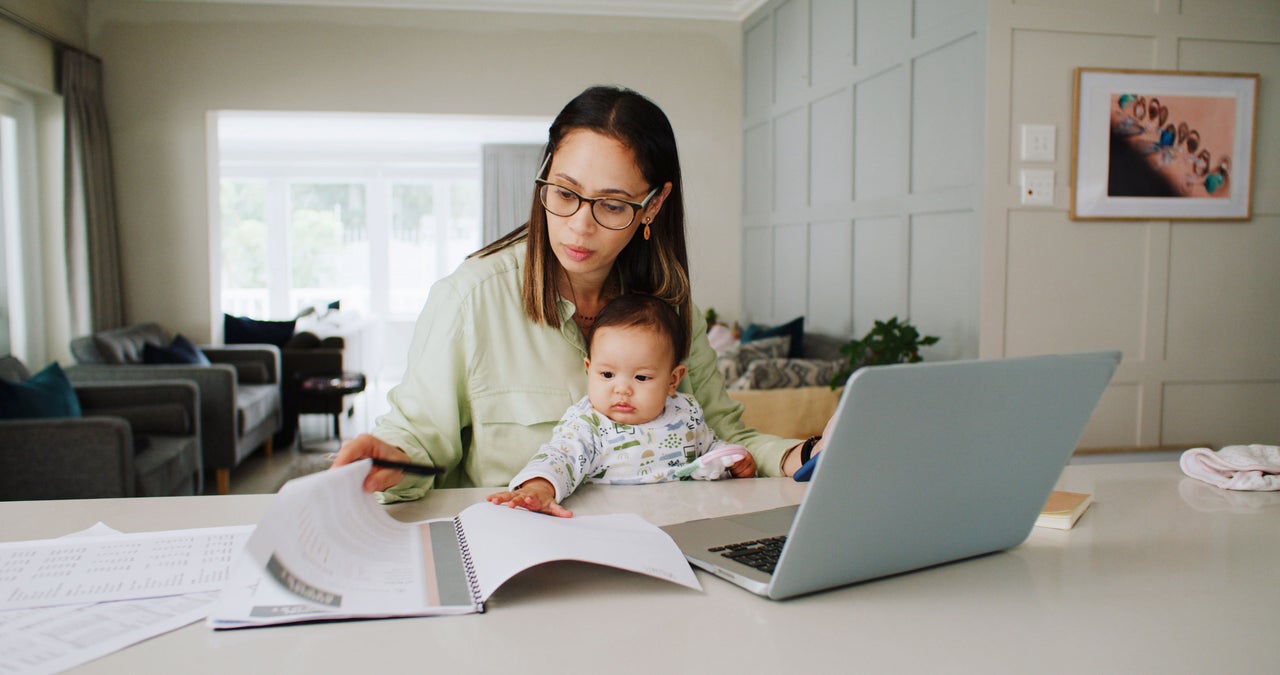
A new study from the Pew Research Center underscores the pervasive challenges working parents in the U.S. encounter in striking a work-life balance, revealing a significant overlap between professional and family responsibilities.
The survey, which gathered data from 2,242 working parents, found that 70% of full-time parents addressed parenting-related tasks while on the job, and 59% managed work duties while with their children. Over half of these parents reported difficulty balancing work with family life and felt their jobs hindered their ability to be good parents. Additionally, 45% indicated that being a parent made career advancement challenging. Similar difficulties were reported by more than half of part-time working parents regarding work-life balance.
The study highlighted a disproportionate burden on working mothers. Eighty-one percent of women surveyed handled parenting tasks at work, with 38% doing so very often. While fathers also integrated work and parenting (62% handled parenting tasks at work; 57% worked while with children), women were generally more likely to express feeling the strain of these combined obligations.
Perceptions regarding the division of labor also varied. Approximately 52% of parents reported that mothers handled more day-to-day parenting tasks, and 43% stated mothers managed more household chores. About 40% claimed tasks were shared equally, though men were more likely to report equal sharing, while women were more likely to say they performed these tasks alone. Mothers were also significantly more prone to taking time off for unexpected childcare issues, with 68% reporting this compared to 29% of fathers. Even in families where mothers worked longer hours, both parents were more likely to report that the mother handled more parenting and household tasks.
Working mothers lacking financial privilege faced additional hurdles. These parents were less likely to have access to workplace benefits such as parental leave, work-from-home flexibility, health insurance, or paid time off. This absence of support contributed to increased anxiety about job security when childcare gaps or sick child care needs arose.
The study also noted that remote work did not entirely alleviate these pressures, as parents working from home were just as likely to report that work-life balance remained out of reach.
(Source: Fast Company)